

20 Health Benefits of Avocado Leaves
Most people love avocados for the fruit and never think twice about the leaves. Yet avocado leaves have been brewed, steeped, and used in traditional wellness practices for generations.
Now they're getting more attention for a simple reason, they contain plant compounds that may support everyday health. Human research is still limited, so they aren't a cure-all, and they shouldn't replace medical care. Still, the leaves may offer more than many people expect. Below are 20 possible benefits, along with a simple guide to using them safely at home.
What makes avocado leaves so powerful?
Avocado leaves get attention because they contain plant compounds that may help the body handle daily wear and tear. That includes antioxidants and other natural substances linked to cell protection, calm digestion, and general wellness.
The natural compounds inside avocado leaves
These leaves contain antioxidants, flavonoids, and other bioactive compounds. In plain terms, those compounds may help protect cells from stress, support normal body function, and add another useful plant source to your routine.
A long history in traditional herbal use
In many places, people have long brewed avocado leaves into tea for stomach comfort, calm, and daily support. A short look at traditional avocado leaf tea uses shows how common this practice has been. Tradition matters, but it doesn't replace advice from your doctor.
Health benefits of avocado leaves people often overlook
The biggest appeal of avocado leaves is how many areas of wellness they may touch, even in small ways.
May help support healthy blood sugar levels
Avocado leaf tea often comes up in blood sugar conversations. It may support balance as part of a healthy diet, exercise plan, and medical care.
May ease bloating and support digestion
Warm avocado leaf tea is a common folk remedy for gas and stomach discomfort. Some people also use it after meals to support smoother digestion.
May help the body fight oxidative stress
Free radicals can stress your cells over time. Because avocado leaves contain antioxidants, they may help reduce some of that pressure.
May support a healthy inflammatory response
Plant compounds in the leaves may help the body maintain a normal inflammatory response. That matters because chronic inflammation can wear on overall health.
May support heart health
Early interest in avocado leaves also ties to heart-friendly wellness habits. Their plant compounds may fit into routines that support circulation and cardiovascular balance.
May help the body relax
Many people sip avocado leaf tea in the evening because it's warm, mild, and soothing. The ritual alone can help you slow down.
May support kidney and urinary health
Traditional use often connects avocado leaf tea with urinary comfort. Some people drink it as part of a gentle wellness routine for kidney support, though strong medical claims don't fit the evidence.
May help with menstrual comfort
In folk use, avocado leaves are sometimes brewed for monthly discomfort. The effect is usually described as gentle support, not a treatment.
May support immune health
Antioxidants help the body handle stress, and that can support your natural defenses. Tea alone won't boost immunity overnight, but it may be a helpful add-on.
May support healthy weight habits
Some people include avocado leaf tea in weight-conscious routines because it's light and caffeine-free. It's not a fat-loss fix, but it can replace sugary drinks.
May help freshen breath and support mouth comfort
Herbal teas can leave the mouth feeling cleaner and calmer. Some traditional uses even include mild rinses or warm tea for mouth comfort.
May support liver wellness
The liver deals with constant daily work. Because avocado leaves contain antioxidants, they may offer light support for liver wellness as part of a balanced lifestyle.
May help reduce water retention
Herbal teas are often used when people feel puffy or heavy. Avocado leaf tea may offer mild support here, but it shouldn't be treated like a medicine.
May help balance everyday stress
A warm cup can create a pause in a busy day. In that way, avocado leaf tea may support calmer habits and lower day-to-day stress.
May support healthy skin from the inside out
Skin often reflects hydration, diet, and stress. A tea made from avocado leaves may support a skin-friendly routine because it adds fluids and antioxidants.
May help protect cells as you age
Healthy aging depends on protecting cells over time. That's one reason avocado tea benefits keep drawing interest in natural wellness circles.
May support healthy circulation
Good circulation supports energy, comfort, and heart health. Avocado leaves may play a small role here when paired with movement, sleep, and smart food choices.
May be a smart caffeine-free tea option
If coffee makes you jittery, this tea offers warmth without stimulants. That makes it easier to enjoy later in the day.
May fit into a simple wellness routine
Some herbs are hard to use consistently. Avocado leaf tea is easier because it's simple, low-cost, and doesn't require a full supplement shelf.
May offer more plant diversity in your diet
Most people eat too few plant types. Adding another herbal tea can broaden your intake of plant compounds beyond the fruit itself.
For readers who want another perspective, this digestive support overview of avocado leaf tea covers several of the same traditional themes.
How to use avocado leaves safely at home
If you want to try avocado leaves, tea is the easiest place to start. Keep the process simple, and be careful about where the leaves come from.
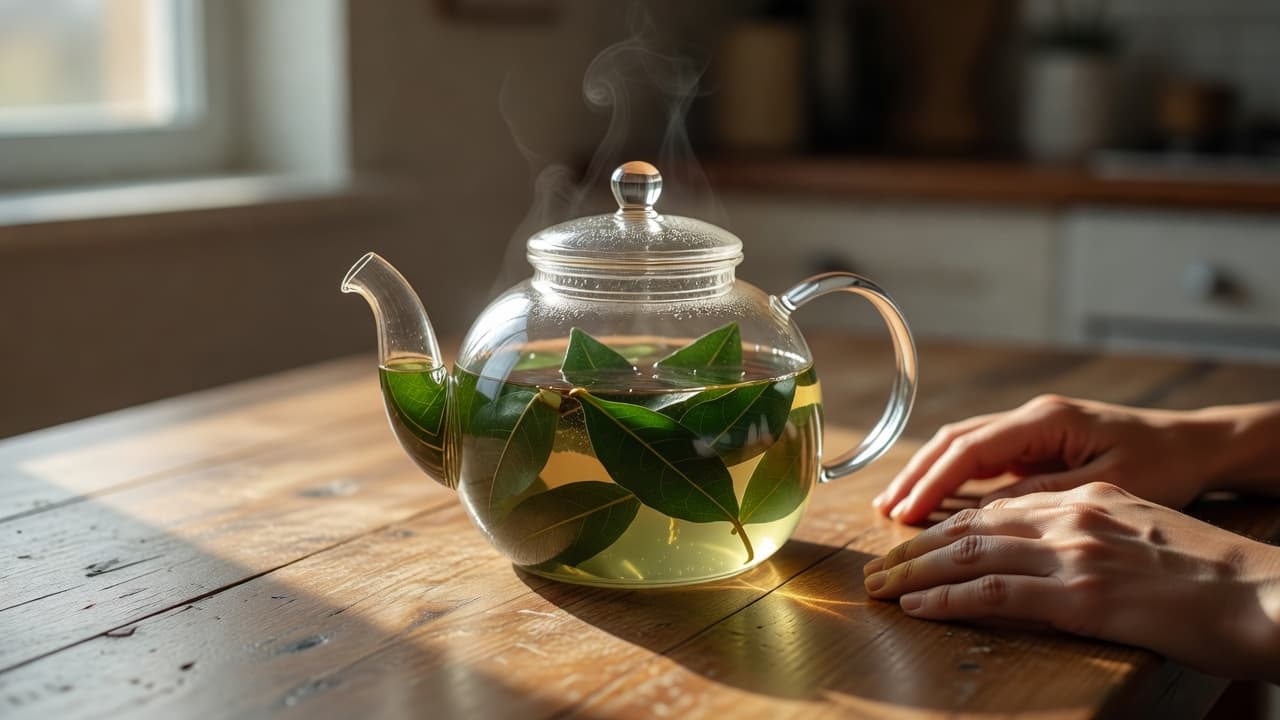
The easiest way to make avocado leaf tea
People usually steep a few fresh or dried leaves in hot water for several minutes, then strain and sip. Start with a small amount so you can see how your body responds.
Important safety tips before you try it
Use only leaves from a trusted source that are meant for culinary or tea use. Don't pick unknown leaves from a random tree, and avoid leaves exposed to pesticides. Moderation matters, because more isn't always better. If you're pregnant, nursing, managing a health condition, or taking medicine, ask your doctor before trying avocado leaf tea. Stop right away if you notice signs of an allergy or stomach upset.
Final thoughts
Avocado leaves may not get the attention of the fruit, but they have a long history in traditional wellness. Their antioxidants and other plant compounds may support digestion, calm, circulation, and everyday balance.
The strongest takeaway is simple, use them with curiosity and safe use in mind. When sourced carefully and enjoyed in moderation, avocado leaves can be a thoughtful addition to a broader, plant-rich wellness routine.

0 Comments